
Environmental Registry of Ontario (ERO) 025-1257
By: Susan Robertson MCIP RPP, People Plan Community
Ontario’s watershed land use planning and Aboriginal and Treaty Rights are inextricably linked. The mandate of Conservation Authorities directly impacts First Nation’s Aboriginal and Treaty Rights, which are communally held, and culturally expressed through traditional activities on land and water. Bringing watershed land use planning and Aboriginal and Treaty Rights into better alignment is a significant reconciliation opportunity. People Plan Community views ERO025-1257 as a means to advance Crown Indigenous relations in conservation and watershed land use planning in Ontario.
INTRODUCTION
Ontario’s 36 Conservation Authorities (CA’s), initiated in 1946 through the Conservation Authorities Act, are by and large, how the environment is protected and conserved in land use planning in Ontario. For 79 years, CA’s have been ensuring that Ontario’s communities maintain a sustainable balance from development, offer affordable and accessible greenspaces for families, and science and action for healthy rivers. Everyday, Ontarians benefit from their legacy.
In many respects, Conservation Authorities are care takers of the land. It is in this way that their mandate is linked with First Nations rights and responsibilities. While there is misalignment of Crown Indigenous relations in conservation in Ontario, on the ground, Conservation Authorities are excellent collaborative partners that bring people together, including First Nations, to protect and conserve. Furthering their collaborative potential with First Nations should be a core priority of the Province of Ontario.
Conservation in Ontario is rapidly changing: ERO 025-1257 represents the fifth legislative amendment to CA’s in the past 5 years. Through these five amendments, the role of CA’s has been reduced to expedite development (for example, removing the ability to comment on natural heritage outside of the regulated area). First Nations have not been consulted on most of these legislative amendments despite impacts to Aboriginal and Treaty Rights.
During this period of significant legislative transition, Aboriginal and Treaty rights must come into focus in watershed land use planning through effective engagement, consultation and accommodation. There is and always has been genuine benefit to working together for the land and waters of Ontario with Treaty holders, in accordance with the Calls to Action and Part VI of the United Nations Declaration on the Rights of Indigenous Peoples. We hope that this submission supports greater integration in the spirit of reconciliation.
ERO 025-1257 PROPOSAL
ERO 025-1257 intends to amend the Conservation Authorities Act, the purpose of which is to “provide for the organization and delivery of programs and services that further the conservation, restoration, development and management of natural resources in watersheds in Ontario” to:
- Create the Ontario Provincial Conservation Agency – a provincial board-governed agency – to provide centralized leadership, efficient governance, strategic direction, and oversight of Ontario’s conservation authorities (already law, enacted through Plan to Protect Ontario Act (2025), Bill 68.)
- To consolidate the province’s 36 conservation authorities into regional conservation authorities that continue to align with watershed boundaries.
The intent of this amendment is to: reduce duplicative administrative costs; provide better tools and more resources for front-line staff; align CA’s services with provincial priorities on housing, the economy, infrastructure and climate resilience; and ensure that CA’s operate with greater consistency and transparency to deliver faster services to municipalities and permit applicants.
DUTY TO CONSULT AND ACCOMMODATE
Duty to Consult and Accommodate is a legal and constitutional obligation. It emerged in 1997 from the Supreme Court Delgamuukw–Gisday’wa ruling and was further expanded through the Haida 2004 ruling where the term “Duty to Consult and Accommodate” received expression for the first time. It stems from the Honour of the Crown: the Crown must act with integrity, honesty, and fairness in all its interactions with Indigenous peoples as a result of the unique relationship. Further, the Crown may have “no sharp dealing” with Indigenous peoples. Therefore, Aboriginal peoples asserting Aboriginal and Treaty rights must be consulted, and where necessary accommodated, prior to occurrence of any decisions, conduct or activities that may have an impact on the rights and interests of Aboriginal peoples.
Conservation Authorities are agencies of the Crown, under the Ministry of Conservation, Environment and Parks, as the Crown includes all its agencies, bodies and commissions. With that said, consultation and accommodation lies within the Nation-to-Nation relationship (Premier/Minister and Chief and Council); while engagement – an essential activity of consultation – can and should take place between First Nations and Conservation Authorities on: any and all decisions, conduct and activities that have the potential to have an adverse effect on Aboriginal and Treaty rights respecting lands and resources within their Traditional Territory. In accordance with the UN Declaration, Free, Prior and Informed Consent is the benchmark for meaningful engagement and consultation.
After three decades since its establishment, much progress is still needed to further engagement and consultation in Ontario’s land use planning processes. This is attributable, in part, to limited understanding of Aboriginal Rights in relation to land use planning on the one hand, and limited capacity to respond to the influx of development applications and planning initiatives on the other. This capacity gap shows in limited access to online protocol for engagement, consultation and accommodation requirements: People Plan Community research found only 13 consultation and accommodation protocols available online – 10% out of 133 First Nations in Ontario.
There is great opportunity for improvement in accordance with the United Nations Declaration on the Rights of Indigenous Peoples Act, the Calls to Action of the Truth and Reconciliation Commission, and Ontario’s Commitment to Reconciliation with Indigenous Peoples. The following section provides a summary of the anticipated impacts to engagement and consultation as result of the proposed amalgamation of Conservation Authorities.
ANALYSIS OF AMALGAMATION THROUGH TREATIES AND DUTY TO CONSULT AND ACCOMMODATE
The following three maps show existing and proposed jurisdictional changes in relation to Treaty areas. These impacts are summarized in the following tables, Table 1 Existing Conservation Authority Consultation Framework and Table 2: Proposed Regional Conservation Authority Consultation and Accommodation Framework. These tables have been coloured by row, to align with the Proposed Regional CA map.
Map 1: Existing Conservation Authorities
Map 2: Proposed Regional Conservation Authorities

Map 3: Treaties in Southern Ontario
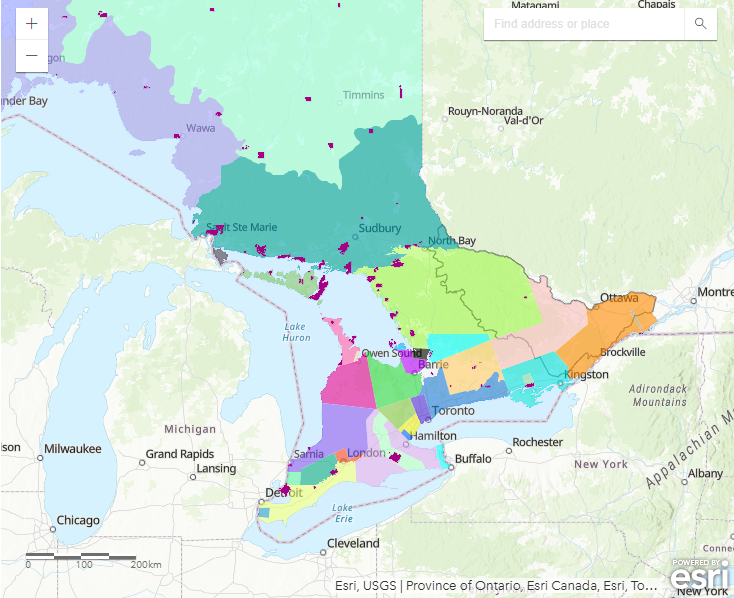
Table 1 Existing Conservation Authority Consultation Framework
| # | Conservation Authority | Region (East → West) | Treaty Area | First Nation |
| 1 | Cataraqui Region CA | Kingston / Gananoque | 1. The Crawford Purchases* | Mississauga Nation****Algonquins of OntarioMohawks Bay of Quinte*Wendat Nation* |
| 2 | Mississippi Valley CA | Ottawa Valley → Lanark / Frontenac | Rideau PurchaseThe Algonquian Land Claim | Algonquins of Ontario |
| 3 | South Nation Conservation | Casselman / Eastern Ontario | 1. The Crawford Purchases* 2. Rideau Purchase3. The Algonquian Land Claim | Mississauga Nation****Algonquins of OntarioMohawks Bay of Quinte*Wendat Nation*Mohawk Council of Akwesasne |
| 4 | Raisin Region CA | Cornwall / St. Lawrence Valley | The Crawford Purchases*St. Regis PurchaseThe Algonquian Land Claim | Mississauga Nation ****Algonquins of OntarioMohawk Council of AkwesasneMohawks Bay of Quinte*Wendat Nation* |
| 5 | Rideau Valley CA | Ottawa → Rideau Lakes | 1. The Crawford Purchases*2. Rideau Purchase3. The Algonquian Land Claim | Mississauga Nation ****Algonquins of OntarioMohawks Bay of Quinte*Wendat Nation* |
| 6 | Central Lake Ontario CA | Oshawa / Whitby / Ajax | Williams Treaties | Williams Treaty First Nations **Wendat Nation* |
| 7 | Crowe Valley CA | Marmora / Hastings County | Rideau PurchaseRice Lake PurchaseWilliams TreatiesCrawford Purchases* | Alderville First NationHiawatha First NationCurve Lake First NationMississaugas of Scugog Island First NationWendat Nation*Algonquins of Ontario |
| 8 | Ganaraska Region CA | Port Hope area | Williams Treaties | Williams Treaty First Nations**Wendat Nation* |
| 9 | Kawartha Conservation | City of Kawartha Lakes / Durham | Rice Lake PurchaseWilliams Treaties | Alderville First NationHiawatha First NationCurve Lake First NationMississaugas of Scugog Island First NationWendat Nation* |
| 10 | Lower Trent Conservation | Trenton → Brighton → Campbellford | Williams TreatiesCrawford Purchases*Rice Lake Purchase | Williams Treaty First Nations**Mohawks Bay of Quinte*Wendat Nation* |
| 11 | Otonabee Region CA | Peterborough / Otonabee watershed | Rice Lake Purchase | Williams Treaty First Nations Wendate Nation* |
| 12 | Quinte Conservation | Belleville / Napanee | 1. The Crawford Purchases*2. Rideau Purchase | Algonquins of OntarioMohawks Bay of Quinte*Wendat Nation*Mississauga Nation **** |
| 13 | Toronto & Region CA | Toronto / Vaughan / Mississauga / Markham | Williams TreatiesToronto Purchase, Treaty 13Ajetance Purchase, Treaty 19Head of the Lake Purchase, Treaty 14Nottawasaga Purchase, Treaty 18Rouge Tract Land Claim | Williams Treaty First Nations**Mississaugas of the Credit First NationWendat Nation* |
| 14 | Credit Valley Conservation | Mississauga / Brampton / Halton Hills | Ajetance Purchase, Treaty 19Head of the Lake Purchase, Treaty 14 | Mississaugas of the Credit First NationWendat Nation* |
| 15 | Conservation Halton | Burlington / Milton / Halton | Head of the Lake Purchase, Treaty 14The Brant Tract, Treaty 3 ¾ Between the Lakes, Treaty 3Ajetance Purchase, Treaty 19 | Mississaugas of the Credit First NationWendat Nation* |
| 16 | Niagara Peninsula CA | Niagara Falls / Welland / St. Catharines | Between the Lakes, Treaty 3Treaty 381Haldimand Tract* | Mississaugas of the Credit First NationSix Nations of the Grand River Confederacy* |
| 17 | Hamilton Conservation Authority | Hamilton / Dundas | Between the Lakes, Treaty 3Haldimand Tract* | Mississaugas of the Credit First NationSix Nations of the Grand River Confederacy* |
| 18 | Catfish Creek CA | Aylmer / Bayham | Treaty 2, The McKee PurchaseBetween the Lakes, Treaty 3 | Bkehwanong Walpole Island First NationAamjiwnaang First NationChippewas of the Thames First NationMississaugas of the Credit First Nation |
| 19 | Essex Region CA | Windsor / Essex County | Treaty 35Treaty 2, The McKee Purchase | Bkehwanong Walpole Island First NationAamjiwnaang First NationChippewas of the Thames First Nation |
| 20 | Grand River CA | Kitchener-Waterloo / Guelph / Brantford | Haldimand Tract*Between the Lakes, Treaty 3Huron Tract PurchaseSaugeen Tract PurchaseNottawasaga Purchase, Treaty 18 | Mississaugas of the Credit First NationSaugeen First NationChippewas of the Thames First NationChippewas of Kettle & Stony Point First NationSix Nations of the Grand River Confederacy* |
| 21 | Long Point Region CA | Port Rowan / Norfolk | Between the Lakes, Treaty 3Tha Haldimand Tract* | Mississaugas of the Credit First NationSix Nations of the Grand River Confederacy* |
| 22 | Lower Thames Valley CA | Chatham-Kent → Thames River west | Treaty 35Treaty 2, The McKee Purchase | Bkehwanong Walpole Island First NationAamjiwnaang First NationChippewas of the Thames First NationEelünaapéewi Lahkéewiit – Delaware Nation |
| 23 | Kettle Creek CA | St. Thomas | Treaty 2, The McKee Purchase | Bkehwanong Walpole Island First NationAamjiwnaang First NationChippewas of the Thames First Nation |
| 24 | St. Clair Region CA | Sarnia / Lambton & Middlesex | Sombra Township PurchaseLong Woods PurchaseHuron Tract Purchase | Bkehwanong Walpole Island First NationAamjiwnaang First NationChippewas of the Thames First NationChippewas of Kettle & Stony Point First Nation |
| 25 | Upper Thames River CA | London → Thames River east branch | London Township PurchaseLong Woods PurchaseMcKee PurchaseHuron Tract PurchaseBetween the Lakes, Treaty 3 | Bkehwanong Walpole Island First NationAamjiwnaang First NationChippewas of the Thames First NationMississaugas of the Credit First NationSix Nations of the Grand River Confederacy*Chippewas of Kettle & Stony Point First Nation |
| 26 | Ausable Bayfield CA | Exeter / Huron County | Huron Tract Purchase | Chippewas of Kettle & Stony Point First NationChippewas of the Thames First NationAamjiwnaang First NationSaugeen First Nation & Chippewas of Nawash First Nation |
| 27 | Maitland Valley CA | Goderich / Huron County | Huron Tract PurchaseSaugeen Tract Purchase | Chippewas of Kettle & Stony Point First NationSaugeen First Nation & Chippewas of Nawash First NationChippewas of the Thames First NationAamjiwnaang First Nation |
| 28 | Saugeen Valley CA | Hanover / Grey & Bruce | Huron Tract PurchaseSaugeen Tract Purchase | Chippewas of Kettle & Stony Point First NationSaugeen First Nation & Chippewas of Nawash First NationChippewas of the Thames First NationAamjiwnaang First Nation |
| 29 | Grey Sauble CA | Owen Sound / Georgian Bay | Saugeen Tract PurchaseNottawasaga Purchase, Treaty 18 | Chippewas of Kettle & Stony Point First NationSaugeen First Nation & Chippewas of Nawash First Nation |
| 30 | Nottawasaga Valley CA | Wasaga Beach / Collingwood / Alliston | Nottawasaga Purchase, Treaty 18 Lake Simcoe Purchase | Beausoliel First NationChippewas of Rama First NationGeorgina Island First Nation |
| 31 | Lake Simcoe Region CA | York / Simcoe / Durham | Lake Simcoe PurchaseToronto PurchaseWilliams TreatiesRice Lake PurchaseNottawasaga Purchase, Treaty 18 | Williams Treaty First Nations**Mississaugas of the Credit First NationSaugeen First Nation & Chippewas of Nawash First Nation |
| 32 | Lakehead Region CA | Thunder Bay | Robinson Superior Treaty | Robinson-Superior Treaty First Nations***** |
| 33 | North Bay–Mattawa CA | North Bay / Mattawa | Williams TreatiesAlgonquin Land claim | Williams Treaty First Nations**Algonquins of Ontario |
| 34 | Conservation Sudbury | Greater Sudbury | Robinson Huron Treaties | Robinson-Huron Treaty First Nations (RHTFNs)*** |
| 35 | Sault Ste. Marie Region CA | Sault Ste. Marie | Robinson Huron Treaties | Robinson-Huron Treaty First Nations (RHTFNs)*** |
| 36 | Mattagami Region CA | Timmins region | Robinson Huron TreatiesJames Bay Treaty | Robinson-Huron Treaty First Nations (RHTFNs)***Mushkegowuk CouncilNishnawbe Aski Nation (NAN)Matawa First Nations |
Table 2: Proposed Regional Conservation Authority Consultation and Accommodation Framework
| # | Proposed Amalgamated Conservation Authority | Treaty Areas | Reserves | Treaty Partners for Duty to Consult and Accommodate Requirements |
|---|---|---|---|---|
| 1 | Proposed St. Lawrence Regional Conservation Authority | Williams Treaties The Crawford Purchases*Rideau Purchase (Treaty 27 ¼) The Algonquian Land ClaimSt. Regis Purchase | Algonquins of Pikwakanagan First NationWilliams Treaties First Nations | Algonquins of OntarioMohawk Council of Akwesasne Williams Treaty First Nations Mohawks Bay of Quinte*Wendat Nation*Mohawks Council of Akwesasne Mississauga Nation |
| 2 | Proposed Eastern Lake Ontario Conservation Authority | The Crawford Purchases*Williams TreatiesThe Algonquian Land ClaimRice Lake Purchase Treaty 20 | Alderville First NationHiawatha First NationCurve Lake First Nation Mohawks Bay of QuinteScugog Island First Nation | Williams Treaty First Nations** Mohawks of Bay of Quinte*Mississauga Nation**** Algonquins of OntarioWendat Nation*Alderville First NationHiawatha First NationCurve Lake First NationMississaugas of Scugog Island First Nation |
| 3 | Proposed Central Lake Ontario Regional Conservation Authority | Williams TreatiesToronto Purchase, Treaty 13Ajetance Purchase, Treaty 19Head of the Lake Purchase, Treaty 14Nottawasaga Purchase, Treaty 18Rouge Tract Land Claim | N/A | Williams Treaty First Nations** Mississaugas of the Credit First NationSaugeen Nation & Chippewas of Nawash First NationWendat Nation* |
| 4 | Proposed Western Lake Ontario Regional Conservation Authority | Head of the Lake Purchase, Treaty 14Ajetance Purchase, Treaty 19The Brant Tract, Treaty 3 ¾Between the Lake Purchase, Treaty 3The Haldimand Tract*The Niagara Purchase, Treaty 381 | N/A | Mississaugas of the Credit First NationSix Nations of the Grand River Confederacy*Wendat Nation* |
| 5 | Proposed Lake Erie Regional Conservation Authority | Between the Lake Purchase, Treaty 3Huron Purchase, Treaty 29London Township Purchase, Treaty 6McKee Purchase, Treaty 2Sombra Township Purchase, Treaty 7Long Woods Purchase, Treaty 25Treaty 35Big Bear Creek Land Claim Settlement Agreement | Six Nations of the Grand River ConfederacyMississaugas of the Credit First NationChippewas of the Thames First NationBkehwanong Walpole Island First NationAamjiwnaang First NationChippewas of Kettle and Stoney PointCaldwell First NationEèlunaapèeii Lahkeewiit First NationOneida of the Thames First Nation | Mississaugas of the Credit First NationBkehwanong Walpole Island First NationAamjiwnaang First NationChippewas of the Thames First NationCaldwell First NationChippewas of Kettle & Stony Point First NationSix Nations of the Grand River Confederacy*Wendat Nation* |
| 6 | Proposed Huron Superior Regional Conservation Authority | Huron Purchase, Treaty 29Saugeen Tract Purchase Treaty 45 ½Nottawasaga Purchase, Treaty 18Williams TreatiesRice Lake Purchase Treaty 20Lake SImcoe Purchase, Treaty 16Treaty 72Treaty 82 | Saugeen First NationChippewas of Nawash First Nation Chippewas of Rama First Nation | Williams Treaty First Nations** Bkehwanong Walpole Island First NationAamjiwnaang First NationChippewas of the Thames First NationSaugeen First NationChippewas of Nawash First NationChippewas of Kettle & Stony Point First Nation |
| 7 | Proposed Northeastern Ontario regional Conservation Authority | Robinson Huron Treaty, Treaty 61James Bay Treaty, Treaty 9Williams Treaties | Whitefish Lake First NationWahnapitae,Temagami First NationWahgoshig First NationMattagami First NationMatachewan First NationTaykwa Tagamou Nation | Robinson Huron Treaty First Nations*** Mushkegowuk CouncilNishnawbe Aski Nation (NAN)Matawa First Nations |
* Denotes land grant, not signed treaty between Crown and Indigenous Nations. Therefore, only engagement is required, not consultation.
**Williams Treaty First Nations include 7 First Nations – counted as one for consultation purposes
***Robinson Huron Treaty First Nations includes 21 First Nations – counted as one for consultation purposes
Mississauga Nation represents five First Nations – counted as one for consultation purposes. These include: Aundeck Omni Kaning, M’Chigeeng, Sheguiandah, Sheshegwaning, Whitefish River, Zhiibaahaasing, Atikameksheng Anishnawbek, Batchewana, Garden River, Mississauga #8, Sagamok, Serpent River, Thessalon, Dokis, Henvey Inlet, Magnetawan, Nipissing, Shawanaga, Wahnapitae, and Wasauksing.
**** Mississauga Nation represents a fellowship of 6 Mississauga Nations. These include: Mississaugas of Scugog Island First Nation, Mississaugas of the Credit First Nation, Mississauga 8 First Nation, Alderville First Nation, Naiwatha First Nation, Curve Lake First Nation
***** Robinson Superior First Nations includes 12 Anishinaabe First Nations: Animbiigoo Zaagi’igan Anishinaabek, Biinjitiwaabik Zaaging Anishinaabek (Rocky Bay First Nation), Bingwi Neyaashi Anishinaabek (Sand Point First Nation), Fort William First Nation, Gull Bay First Nation (Kiashke Zaaging Anishinaabek), Long Lake #58 First Nation, Michipicoten First Nation, Netmizaaggamig Nishnaabeg (Pic Mobert First Nation), Pays Plat First Nation (Pawgwasheeng), Pic River First Nation (Biigtigong Nishnaabeg), Red Rock Indian Band, Whitesand First Nation
(Disclaimer – this work was completed through desktop exercise and may be subject to amendments via First Nations request.)
FINDINGS
- A 100% increase in engagement requirements from the existing 36 CA structure (average of 3 First Nations per CA) to proposed Regional CAs structure (average of 6 First Nations per Regional CA).
- A larger geography per Regional CA has many more treaties and territories and therein increases engagement complexity.
SUMMARY
Proposed Regional CAs double engagement requirements and increase complexity of the engagement for the consultation and accommodation landscape in Ontario’s watershed/land use planning framework. Given existing low levels of engagement and consultation in Ontario land use planning processes this change could be problematic. On the other hand, it may be beneficial to First Nations, as would be less agencies outreaching for engagement and consultation. However, such benefits would not be realized without greater planning, coordination and investment at this stage of reorganization.
ERO QUESTION AND ANSWER
What opportunities or benefits may come from a regional conservation authority framework?
- The proposed Regional CA structure will double consultation requirements and increase the complexity of engagement responsibilities for each of the seven Regional CA’s.
- For First Nations, this may reduce the administrative responsibilities of engagement as there will be fewer agencies outreaching, which could be of benefit.
- Therefore, opportunities/benefits could be improved engagement, consultation and accommodation processes through: meaningful engagement between the Ontario Provincial Conservation Agency (OPCA) and First Nations to assess ways to improve engagement and consultation, which may include creating a prioritization of Conservation Authority Act regulatory reviews (i.e. high, medium and low), as well as allocating resources towards more effective methods of engagement per Regional CA and First Nation. For example, as identified in Bill 68, one of the responsibilities of the OPCA will be to support the development and implementation of a standardized and centralized system for processing of permits issued by authorities within which engagement and consultation will be a critical component.
Do you have suggestions for how governance could be structured at the regional conservation authority level, including suggestions around board size, make-up and the municipal representative appointment process?
- At the Provincial level, we recommend the Board of the OPCA have meaningful Indigenous representation in accordance with Article 19 of the UN Declaration of the Rights of Indigenous Peoples, law in Canada.
- Correspondingly, for each Regional CA Board, there should be representation from Treaty holders in the jurisdiction.
- Aboriginal law will start to intervene with Ontario’s conservation law. For example, in November 2025 Alderville First Nation passed a law recognizing the rights of personhood for Rice Lake. As this Anishinaabe law sees expression, it will impact the approach that CAs take in their policies, plans and strategies.
Do you have suggestions on how to maintain a transparent and consultative budgeting process across member municipalities within a regional conservation authority?
- Budget allocations for consultation and accommodation should be allocated at the OPCA Board level in partnership with First Nations and administered to First Nations and to the amalgamated CAs based on need. These may take place through Funding Agreements, Contributions Agreements, etc..
How can regional conservation authorities maintain and strengthen relationships with local communities and stakeholders?
- First Nations are rightsholders. Starting the OPCA off in a good way, by building meaningful relationships with Treaty holders is of interest to the Province of Ontario and the expediency it seeks in fast tracking growth and development for the economy.
RECOMMENDATION
Growth expediency is paramount in Ontario. However, any and all decisions, conduct and activities that have the potential to have an adverse effect on Aboriginal and Treaty rights respecting lands and resources within their Traditional Territory require engagement, consultation where necessary accommodation. Legal challenges from First Nations that are not engaged and consulted increase the risk of delaying the economic prosperity the Province is seeking.
It should be a national imperative to take reconciliation out of the courts. Conservation Authorities have always been natural collaborative partners that take action on the ground to care for lands and waters. Increasing their engagement and consultation complexity creates the potential to reduce their relationship effectiveness with Treaty holders.
Based on the above, we recommend the following action as an opportunity to bring reconciliation into conservation in Ontario.
ACTION – We recommend a coordinated session with OPCA, Chiefs of Ontario (COO) and NAN to seize this opportunity to improve engagement and consultation in watershed/land use planning processes through this proposed reorganization.
These sessions should address:
- The goals and priorities of the OPCA and how engagement and consultation can be improved, in alignment with these objectives, i.e. prioritization ranking, communication protocols, database development, etc.
- Indigenous representation on both the OPCA Board and the Regional CA Boards in alignment with Treaty responsibilities and shared goals
- Funding agreements to support the provincial mandate of expediency in planning review processes given the consultation gap that currently exists, i.e. only 13 online consultation protocols available.
IN CLOSING
We thank you kindly for the opportunity to contribute to the reorganization of the conservation/watershed land use planning landscape in Ontario and are available at your convenience for further information and discussion.